Interest in Chinese cars is rapidly growing across Central Asia, driven by improved reliability, extended warranties, and increasingly extensive service networks. Key factors fueling this trend include affordable pricing, comprehensive features, advanced safety systems, and the rising availability of electric vehicles. The cost advantage is further supported by the region’s expanding network of local manufacturing plants.
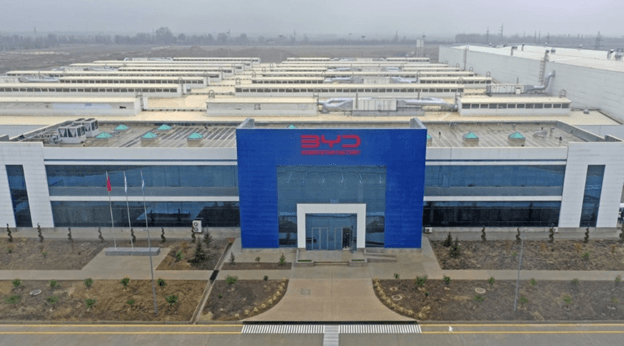
On June 27, 2024, Uzbekistan officially launched the production of BYD vehicles at its new factory in the Jizzakh region. The plant currently produces two hybrid models: the Chazor sedan and the Song Plus crossover, with plans to expand the model lineup in the coming years. Initial production capacity is set at 50,000 cars per year, with a second stage targeting 200,000 vehicles and a third stage aiming for 500,000 units annually. The company also plans to increase local content, starting with bumpers, glass, and plastic parts, followed by batteries, electric motors, aluminum components, tires, and seats.
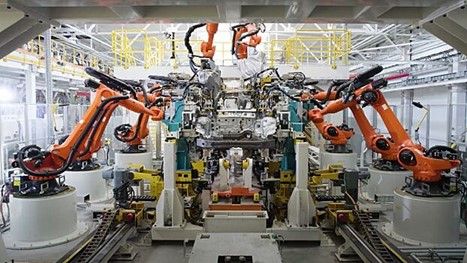
In Kazakhstan, a groundbreaking multi-brand facility has been established, combining production of three leading Chinese brands—Chery, Changan, and Great Wall Motor (including Haval and Tank)—on a single site. The plant is designed to produce up to 120,000 vehicles per year, employing small-unit production methods and advanced processes such as welding, painting, and assembly. Once operating at full capacity, the plant is expected to create 3,600 jobs. Located in the Industrial Zone of Almaty, the complex spans 309,000 square meters, with 211,000 square meters dedicated to production.
The development of local automotive manufacturing in Uzbekistan and Kazakhstan is helping reduce dependence on imports and shorten delivery times for popular models. Experts predict that, as Chinese factories continue to expand across Central Asia, Chinese vehicles could account for up to 40% of the region’s total fleet in the coming years.